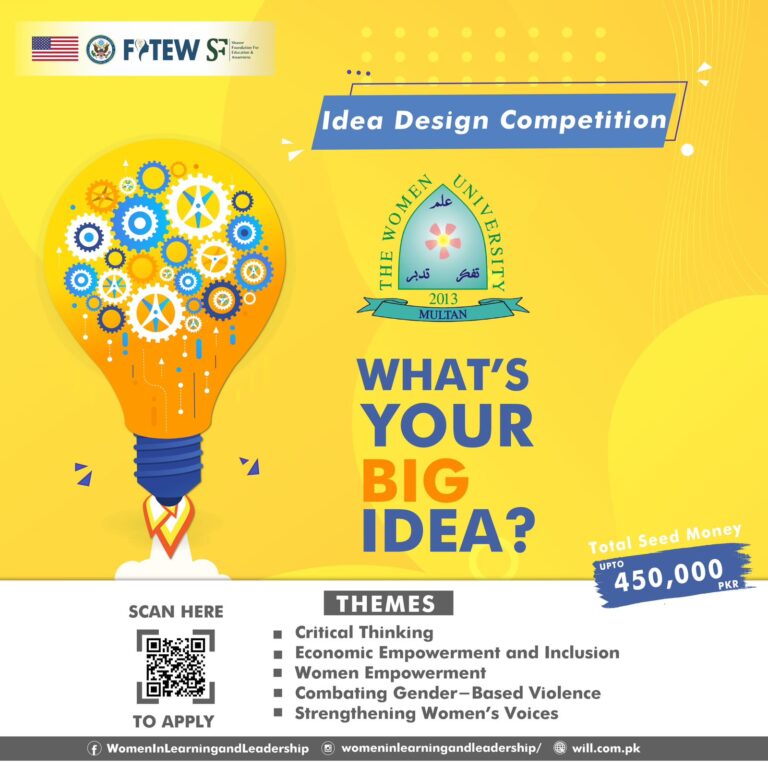

Critical Thinking
Critical thinking is an umbrella term representing several elements used to assess information comprehensively. It consists of the examination, analysis, questioning, inference, reasoning, synthesis, conceptualization and definition of the material under scrutiny.
The importance of critical thinking lies in combating ignorance (which, in a country like Pakistan, is the root cause of several social evils), being able to identify misinformation, conspiracy theories and/or false ideas, refining ideas and opinions by removing extraneous influence and/or undue biases, and encouraging debate on both small and large scales to improve existing conditions, inform public opinion and aid in policymaking. Lack of critical thinking among students in Pakistan is one of the significant reasons Pakistan is left behind in conducting quality research. It is evident from the country’s institutions’ dismal performance at global ranking tables such as THE (The Higher Education) and Q.S. (Quacquarelli Symonds). There are 92 public and 67 private HEC recognized universities in Pakistan. Only 3 universities are among the top 1000 of these global tables, none being all women, which raises significant concerns regarding the quality of education at our institutions